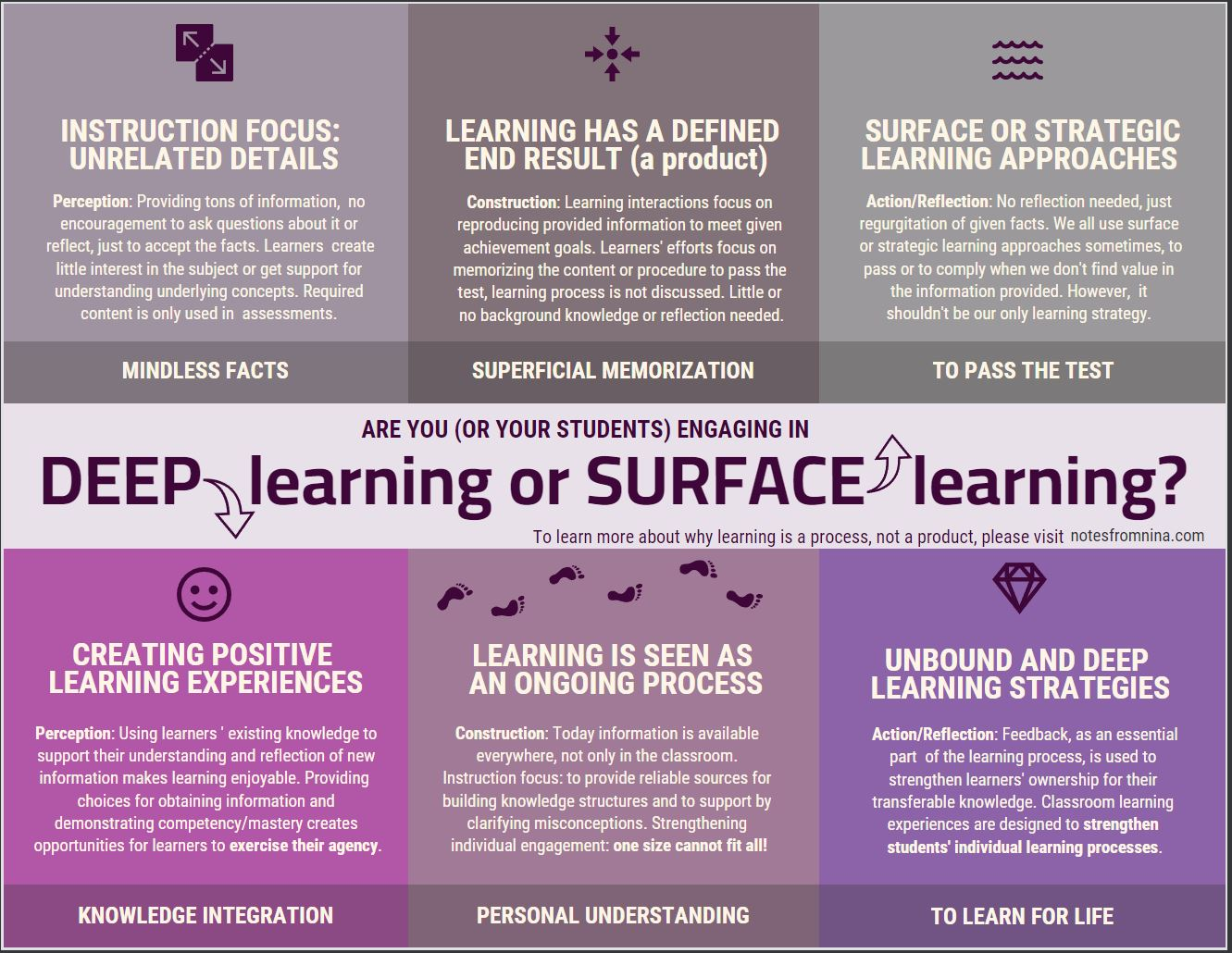
What makes a learning experience a great one?
(It is not the visually appealing design or charisma of the teacher/instructor, even though both of these can make learning experiences nicer.)
The answer lies in the “a-ha!!” moment when we realize something new and connect the dots. This is the magical ingredient that makes learning meaningful by combining the cognitive understanding with an emotional awareness (SEL – identifying personal assets and emotions).
Now, how to lead more students into these a-ha!! moments – this is the real question we need to ask. And part of the answer is that one size can never fit all. To me, this makes teaching such a wonderful profession! Every day is a discovery day to understand how to support an individual student. We are trusted with great responsibility! However, being a teacher is not easy. Especially when mandated to “teach to the test” or “cover so and so much of curricula” – because these expectations have very little to do with learning. They are only focusing on teaching – and every teacher knows that what is taught is not necessarily learned!
Learning and teaching are two different things. They are two different processes that are often put into the same frame of reference (education) and sometimes even happen in the same physical or virtual space (classroom). Sometime we think that students are not motivated to learn new things, but this is a huge misconception! Children are natural born learners; it is our ultimate survival skill. But – for a variety of different reasons – we may not enjoy the experience of being taught.
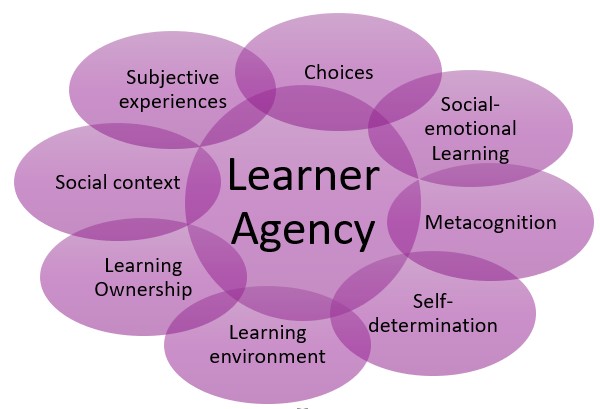
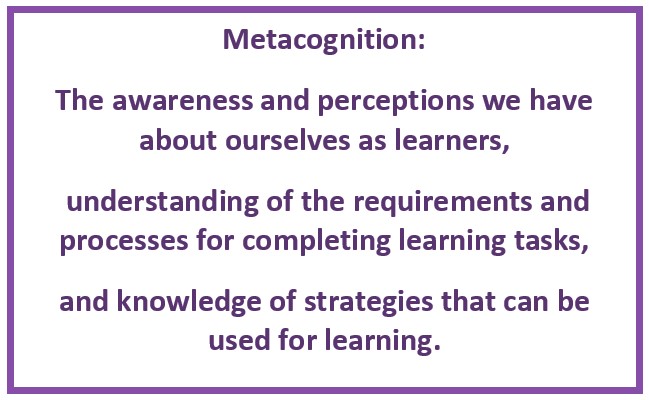
When learning is seen as an in-built force within your students, the teaching job became easier. By becoming a facilitator for learning and guiding students to build their own knowledge, the teacher has taken a huge step towards supporting learners’ agency and autonomy. Starting with learning outcomes (what students will be able to know or do) we choose the information needed and plan for a selection of activities and assessments to help our students to learn what is needed. Then we add support for metacognition and a selection of recommended learning strategies.
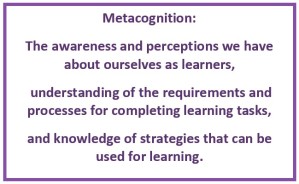
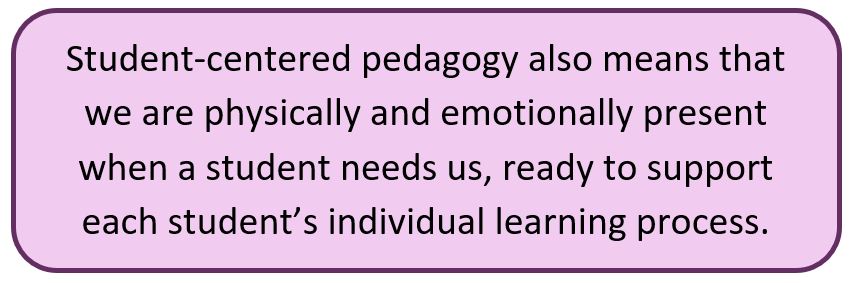
With current technology this can be very easy to do! Lecturing is unnecessary as we have countless (better) ways for providing the information and concepts for students (books, videos, podcasts, walkthroughs, glossaries, wikis, etc.). The most important part of instruction is to share useful frameworks with learners to help them understand the context and connections (within the topic and its’ relations to other learning). These connections are vitally important, because learning process starts with external interactions and is completed with internal elaboration. [1] Learning facilitation means exactly this: supporting each student’s individual learning process and providing choices (within pedagogically/andragogically appropriate boundaries) for constructing their own understanding. Metacognitive skills are crucial tools for everyone because:
- it really is about reflecting higher order learning (often described as critical thinking and problem solving)
- we need the ability to monitor and regulate our own learning
- in information societies learning cannot stop in graduation
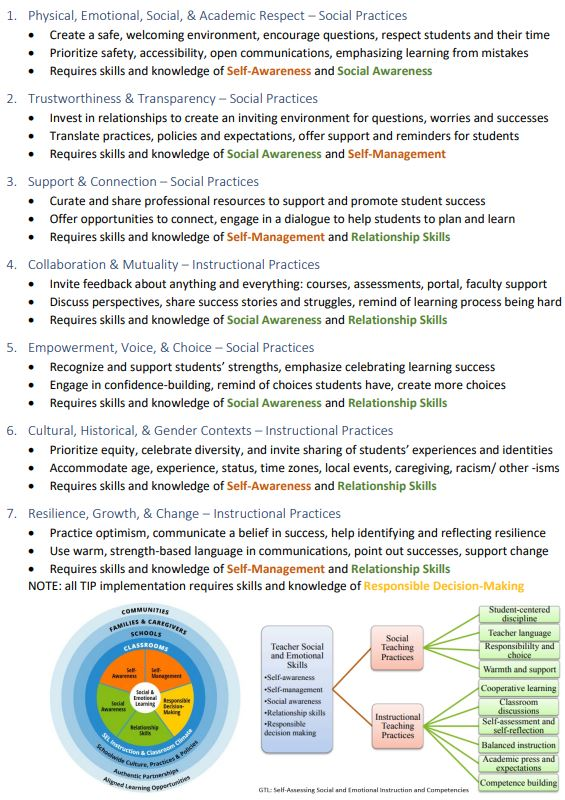
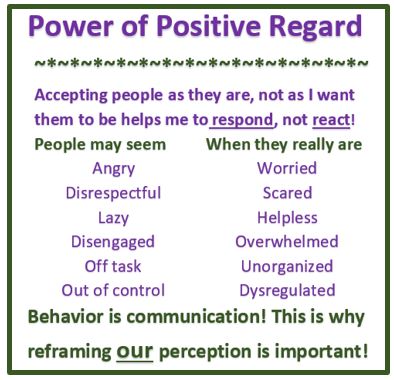
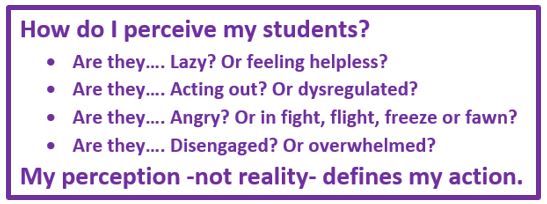
Another important part of experiencing a meaningful learning experience comes from getting support when needed – not for finding the correct answers, but for strengthening our individual learning processes. While we all learn in the similar way by interacting with environment and then internally elaborating to make sense of the new information and fit into our own existing knowledge structures, we also have individual differences like the quality and amount of our previous knowledge. Understanding and supporting these personal processes [2] is the key to fostering lifle-long learning, which is why teachers need to be proficient with both SEL and Trauma-Informed Practices.
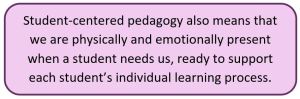
Making sure that we focus on learning as an individual process makes it possible to keep on supporting students throughout k12 education and beyond. To take this one step further, remember: Truly learner-centered experiences are designed with students, acknowledging their previous knowledge, and providing different learning modalities and assessments to choose from. Here is more about learner-centered design, which obviously makes learning engagement much more meaningful for participants. APA (American Psychological Association) has this great resource about creating meaningful learning experiences!
After SO many years in education, my favorite question still is: “How can I support your learning today?”
[1] Illeris, K. (2003). Towards a contemporary and comprehensive theory of learning. International journal of lifelong education, 22(4), 396-406.
[2] Bransford, J. D., Brown, A. L., & Cocking, R. R. (2000). How people learn: Brain, mind, experience, and school. Washington, D.C.: National Academies Press
Tags: Learning Process, meaningful learning, pedagogy, students, teachers, teaching





 NotesFromNina