Many educators and education leaders agree that learner-centered education is essential for modern learning. We also acknowledge the importance of Social-Emotional Learning and Trauma-Informed practices and supporting learner agency and resilience. Somehow the traditional top-down models still dominate the educational systems, standards and benchmarks [1].
Supporting learner agency is a single step solution for better learning experiences. Human agency is our highest-order emergent function, it is our ability to choose, not a part of Executive Function or willpower to achieve given goals. Agency can be negative, too, like when a student chooses not to complete all homework because they will be okay earning a C. For their future plans this may not be a great decision, yet it IS an example of students exercising their agency, encompassing many parts of learning and learning process. One part of formal education is helping students to become ready for their lives in modern societies – and that includes agency as self-awareness and degree of freedom.
To support students’ agency in positive ways we need to create learner-centered environments on all levels of education. [2]. Hopeful Pedagogy is a great tool for highlighting the power of positive experiences – not only in academics, but also in building shared understanding and working together to solve other problems that arise in social situations like classroom or recess or study groups. We all can create positive experiences for others in many different situations. And we should.
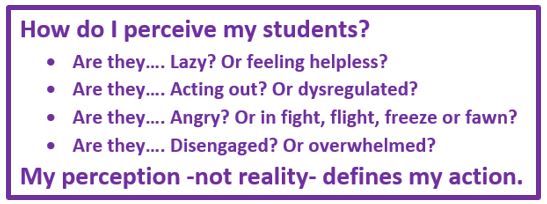
We all have students from different walks of life – socio-economical, historical, linguistic and many more – which is why we need to offer choices to students for content, engagement and assessments to create opportunities for practicing both agency and resilience in emotionally safe learning environment. Supporting learner resilience means understanding the impact of ACEs (Adverse Childhood Experiences) and actively choosing how we perceive our students.
Using Hopeful Pedagogy starts from our perceptions and actively choosing our actions to support Learner Agency for every student. To help students choose to make the choice to learn for their own benefit instead just to pass a given assessment or task. To support students’ hopes and help to embark on a learning path for a better future and support the idea of lifelong learning and having meaningful learning experiences.
Hopeful Pedagogy (or Hopeful Andragogy – my students are earning their M.Ed degrees) is an important part of contemporary education. And the bottom line is: “Educating, regardless of age is about leading others in meaningful and hopeful ways.” [3]
[2] Agency defined on p. 443 in Zelazo, P. D. (2020). Executive Function and Psychopathology: A Neurodevelopmental Perspective. Annual Review of Clinical Psychology, 16.
[3] Prefontaine, I. (2023). Re-imagining Teacher Education as an Andragogy of Hope. an Andragogy of Hope” (2023). International Conference on Hate Studies. 5. https://repository.gonzaga.edu/icohs/2023/seventh/5
Our learning experiences have a huge impact on our future, and on our learning. The good part of this is that teaching is a relationship between the teacher and students, and we can choose to provide those positive learning experiences for our students. The hard part is that we all bring our past experiences and expectations into the classroom, both teachers and students. For some students the classroom environment is the safest and happiest place they have ever experienced. It is very hard to focus on learning if one is scared or hungry. Recent research suggests that 25% or more of students have experienced trauma or ACEs. [1] We can choosehow we perceive students and their actions.
Understanding the perspectives of other people is an important part of #SEL social awareness, and as teachers we have great opportunities to be examples of this for our students. Learning to respondto the (undesirable) behaviors of others instead of reacting to them is a life skill we all need. By responding instead of reacting we can engage in tSEL – transformative SEL – supporting students identity, agency, belonging, collaborative problem-solving and curiosity!
When we choose tosupport all students and build safe learning environments, our students can learn to trust teachers and other students and people in general. This is the important first step. The positive experience of knowing the rules and how to ask for help are important building blocks for students’ self-awareness and self-management – two fundamental #SEL skills for understanding and managing our emotions, thoughts and behaviors. We cannot thrive in the society without these skills, but they are equally important for building relationships with other students.
Collaborating successfully with peers is an extremely powerful positive experience in the classroom – we should never underestimate it! Often students can understand a new concept more easily if a classmate explains it, just because they are close to the same level of language development. For us, as professional educators, some concepts are so “clear” that we don’t even consider having to explain its meaning. Peer collaboration helps students to learn the important #SEL relationship and life skills like seeking and offering help and resolving conflicts constructively.
Purposefully designing healthy learning environments by designing these Positive Childhood Experiences (PCEs) can protect our students againstACEs(Adverse Childhood Experiences), because they build HOPE – Healthy Outcomes from Positive Experiences [2]. And when we design and provide positive learning experiences, we also help our students to learn to enjoy learning. This has a huge impact for their futures. Learning enjoyment increases the chances for students to engage in transformative life-long learning[3]. How awesome is this?!?
This is exactly WHY education is my chosen life-long career! 🙂
[1] Scott, J., Jaber, L. S., & Rinaldi, C. M. (2021). Trauma-informed school strategies for SEL and ACE concerns during COVID-19. Education Sciences, 11(12), 796.
[3] Jagers, R. J., Skoog-Hoffman, A., Barthelus, B., & Schlund, J. (2021). Transformative social emotional learning: In pursuit of educational equity and excellence. American Educator, 45(2), 12. https://files.eric.ed.gov/fulltext/EJ1304336.pdf
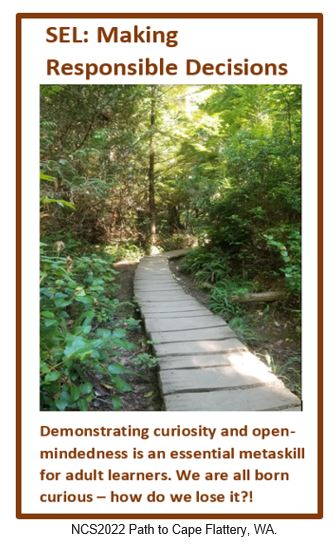
In the beginning of a school year it is important to remember that every student is on their own learning path – with their private history (which can be scary, maybe with harmful elements for learning process, like neglect and abuse causing serious trauma that messes with their learning process) [1]. We all are in our own learning paths with our previous experiences and hopes/plans for the future learning. As educators, we can design learning experiences that guide students on the path of making responsible decisions (for their learning and lives #sel), but we cannot force people to change or follow a given path. This is why using the power of positive regard is so important! We are helping our students to create hopeful futures – and I have found empathy, curiosity and open-mindedness to become my most valuable tools as an educator!
It is not easy to try to see the positive in a disruptive behavior. Reminding myself to perceive students as complex human beings is often the most helpful first step for me. Students are on different paths, they have lives outside of school, and sometimes just reframing our perception can help us to remember that there might be a reason for a student to act differently. Isolating the behavior from the person helps us to accept our students as they are, not as we wanted them to be. And the younger the student, the more they need our help in managing their emotions and stress, which is why we want to actively design and build emotionally safe learning environments [2] to help every student to get onto a hopeful learning path. I know this sounds like a lot of extra work but the payback is incredible: deeper learning, better learning outcomes, less disruptions, students helping each other, and so on. Acknowledging the presence of trauma in all our lives allows us to have more compassion for students and help them to see that the hopeful futures can exist! To design these learning experiences, we need to have empathy, work to find our curiosity again, and then just decidedly stay open-minded.
While we are not counselors or mental health professionals, we ARE supporting our students’ personal growth with all our learning design and classroom interactions – and helping students to stay curious is important! We can (and should) actively choose how to teach because our pedagogical choices impact the deep and surface learning strategies our students decide to use. An important role for a teacher is to help students make good choices. Otherwise kids could just learn everything they need from a video feed.
Adverse childhood experiences (ACEs) are often very visible in the classroom, causing many kinds of disruptions. Students may appear disrespectful or angry, disengaged or lazy, but without knowing what is causing their misbehavior, we are more likely to react to the situation than using a pedagogically sound response. The “disrespectful” student may be scared of something and in the fight-flight- freeze-fawn mode; the “angry” student may be worrying about their family or safety. The “disengaged” student may be simply overwhelmed and doesn’t know how to ask for help. And the “lazy” student may have no idea how to get a task started, or homework completed. Which is why they need our help. Lot’s of help. To get on a better path and to make those responsible decisions about their learning and futures.
Designing opportunities for positive childhood experiences (PCEs) are our best tools for creating those hopeful futures [3]. Their report shows that “Children can succeed in school, even with substantial adversity, when they develop executive functioning skills and use the relational supports that are known to promote resilience.” And while I know that the report talks about childhood experiences, during my 10+ years in Higher Ed, mentoring M.Ed. grad students, I have learned that students of all ages react well to the unconditional positive regard. In addition to the trauma from our personal life situations, adult learners often also carry some serious educational trauma, making it harder to be curious and open-minded in a formal learning situation, like continuing education course or while earning a degree, making positive regard and individual support essential pars of our learning design.
What are your ideas for designing learning paths to hopeful futures? Please comment below!
References:
[1] Perry, B. D. (2006). Fear and learning: Trauma-related factors in the adult education process. New Directions for Adult and Continuing Education, 110, 21.
[2] Burstein, D., Yang, C., Johnson, K., Linkenbach, J., & Sege, R. (2021). Transforming practice with hope (healthy outcomes from positive experiences). Maternal and Child Health Journal, 25(7), 1019-1024.
[3] Sege, R., Bethell, C., Linkenbach, J., Jones, J., Klika, B. & Pecora, P.J. (2017). Balancing adverse childhood experiences with HOPE: New insights into the role of positive experience on child and family development. Boston: The Medical Foundation.
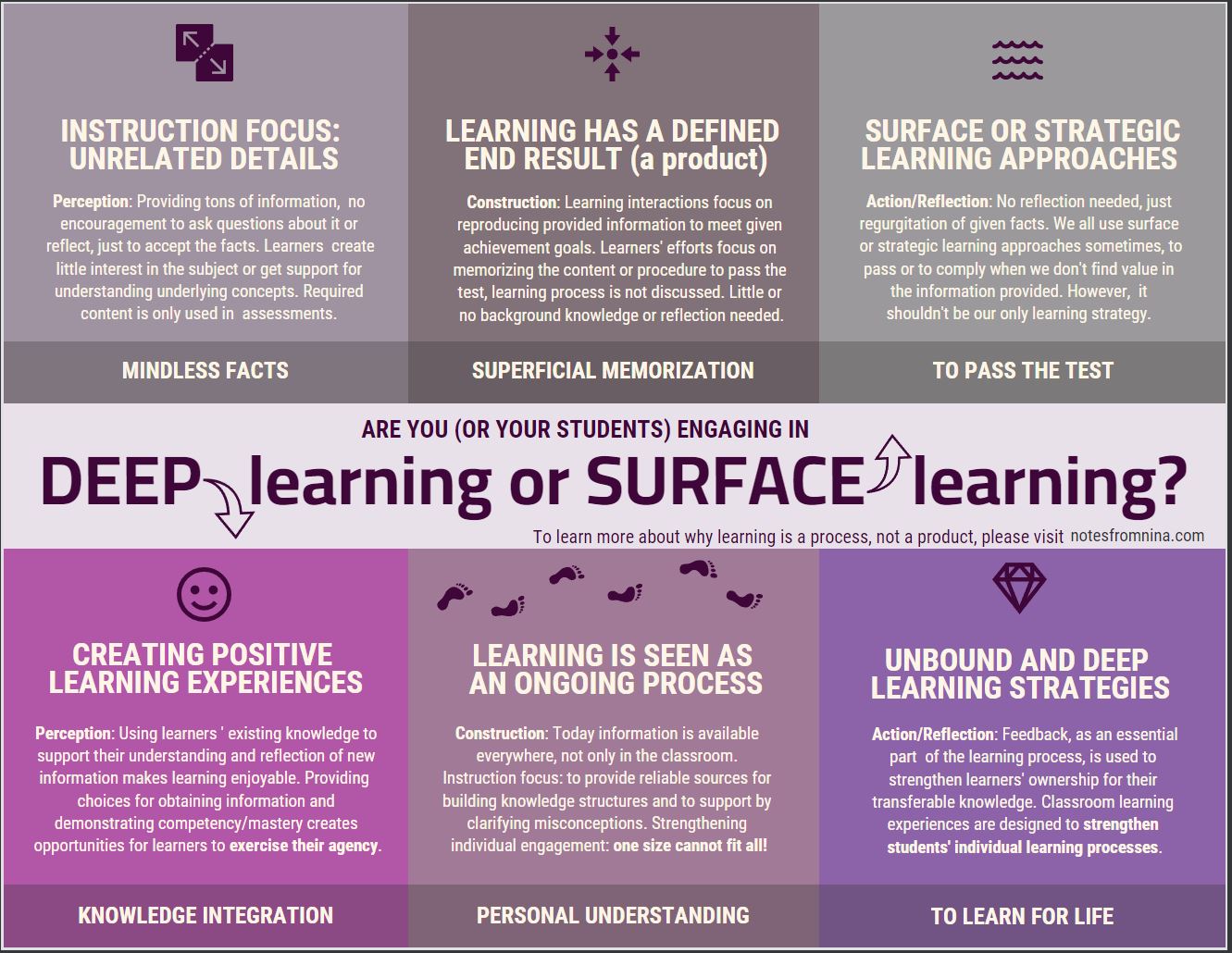
Understanding learning theories is crucially important for anyone who wants to teach. Without purposefully designing the learning experience by choosing the learning theory and instructional strategy for the lesson, there is a great change that we are just teaching the same way we were taught – and that might not help our students to learn! It might make them to use surface learning strategies to just pass, not to learn!
Are you (and/or your students) engaging in deep learning or surface learning?
There is a big difference between instructor/instruction centered vs. learner-centered education. When learning is perceived to be a product (product, grade, task, test score, etc.) created according the instruction, it makes great sense to group students by their academic ability. That’s what we would do in other industries, right? However, learning is so much more than just a product of instruction!
When learning is perceived to be an internal, individual, life-long process, also the instructional practices have to change. I understand teachers’ concerns of limited instructional time (especially when teaching to the test) and external accountability measures that seriously complicate the teaching-learning interactions. We cannot expect the teachers to change a situation that derives from structural demands and administrative practices in education. Which is why we need to focus on our own teaching practices to always, always, always support our students to choose to engage in deeper learning.
The concept of learning as a product often gets reinforced through teacher education and instructional design practices (current ID models were created in business and military settings, but the pervasiveness of learning objects as measurements of successful instruction is today a global practice). University faculty seldom has extensive training in instructional practices, so they may teach the same way they were taught – which is less than ideal, because contemporary educational research acknowledges the benefits of modern learning theories over behaviorism.
Teacher education has to change. If we want to have teachers who know how to engage their students in learner-centered practices, we must provide teachers with the experience of learning in such environment.
Meanwhile, we all as individual educators, can choose to prioritize supporting our own students’ deeper learning process. Because that makes learning more meaningful.
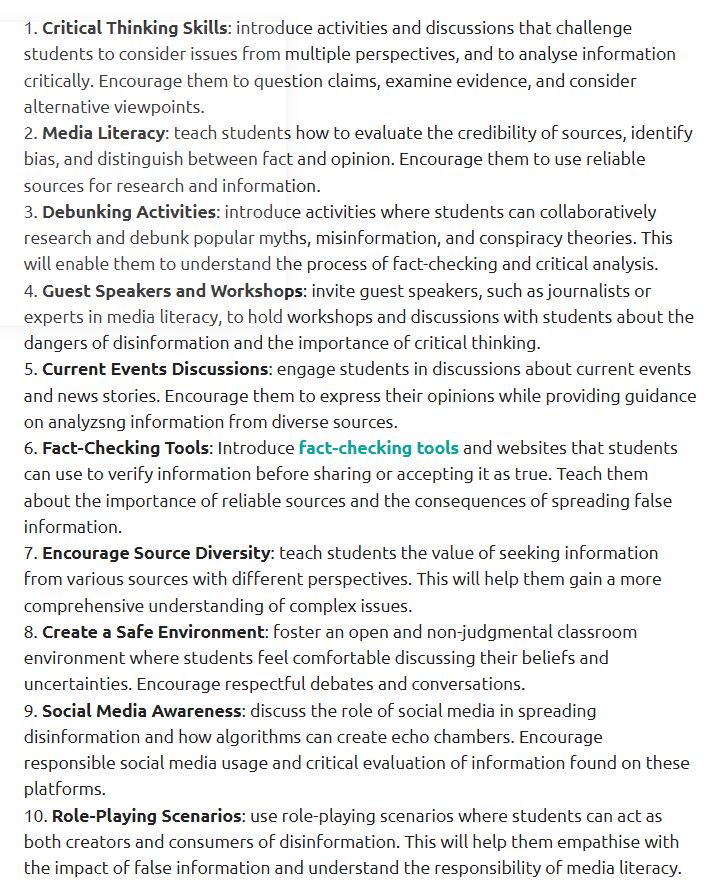
Deeper learning has another dimension in our contemporary world: media literacy, which is crucially important to teach in all K-12 grades and beyond. Please see the excellent suggestions below:
This blog post was originally published in December 2011. Occasionally I revisit my old posts to see if I still agree with them. 🙂
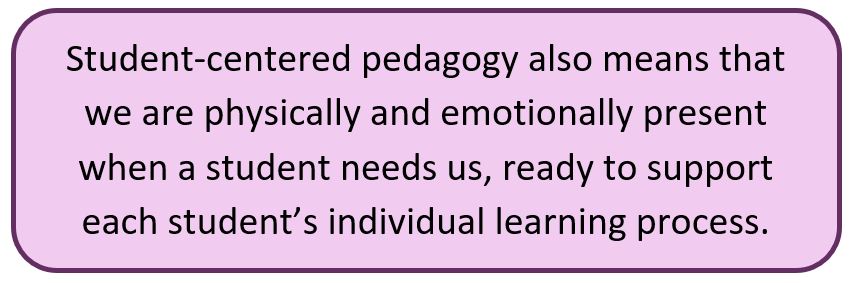
Student-centered and emotionally safe pedagogy is an attitude. It is not a handbook of tips and tricks, to help us survive our days. It is being physically and emotionally present when the student needs us. It is also thinking more about the process than the product. And in these classrooms the focus is in creating, not copying, no matter what the task is – this applies to art as well as note taking!
I think today, in 2022, the learner-centeredness and focusing on supporting students’ emotional safety is more important than ever! But this may require a perspective change for educators and administrators. A big one. Shifting from perceiving students as disobedient, uncontrollable, mean, or acting out, to understanding that these behaviors are indicators of trauma in students’ lives.
We cannot deny the effects of trauma in our classrooms!
Students need our help, so that they can learn how to self-regulate, or to use better ways to get their needs met. SEL is important and necessary in education, but it may not be enough. I think in 2022 we all need to learn how to use Trauma Informed Practices to create emotionally safe learning environments. Emotionally safe classrooms are flexible by their nature and they have rules that are consistent and justified. Ordering other people arbitrarily around is only a way to show your power over them. Being considerate is generally understood as a virtue, and showing the same politeness to children does not go without rewards. Treating students as individual human beings feels like basic courtesy to me.
The central values of safety, co-operation, individuality, and responsibility help students to build a realistic self-image together with the teacher and classmates – and these all are central SEL skills we all need to be successful in the society. These values also create the foundation for an emotionally safe learning environment. Most often these values are expressed in the classrooms and discussed with the students. Ideally the wording of the rules is created in cooperation with students, and confirmed with the signatures of the teacher and students, before posting them on the wall for further reference.
Stress-free atmosphere is the first principle for creating an emotionally safe growing and learning environment. Focusing on learning process instead of the product helps to create the feeling of having enough time, which enables students to focus on their own learning instead of external factors that might disturb their concentration. This also supports learner agency. Knowing that their thoughts and ideas are valued helps students to think and express their thoughts more freely.
More thinking equals more learning.
The one situation when most of us feel threatened or unsafe is while we are receiving feedback. In an emotionally safe classroom feedback becomes a natural part of the learning process, and thus stops being scary. While utilizing students’ daily self-evaluation and teacher’s verbal comments, the feedback system actually becomes a tool for the students to control their own learning. This automatically holds students accountable for their own learning and helps them realize how much they already have learned. Ungrading is a growing movement among teachers!
I mentor students pursuing their M.Ed. degrees In Learning Experience Design and Curriculum & Instruction, and try to follow my own advice. Therefore the most important question I ask every day is: How can I support your learning today?
I was re-re-reading one of my very favorite education books: Contemporary Theories of Learning (Illeris, 2018) and thinking about how to support all different learners. Obviously, we must provide experiences that meet the needs of our learners and helps them to learn. But how do we actually learn? What does the learning process look like? How do we make sense of all the data and information surrounding us? For clarity, I like to use the definition of learning as a two-step progression containing the processes of external interaction and internal elaboration. [1] Interacting with data is just the first step in the learning process, gathering the information. The second step, elaboration, transforms the information to become a part of our personal knowledge structure.
Exactly how do we react to the bits of data in our environment and change it to become information that can be stored in our minds? In early learning this is easy to observe – young children actively try to make sense of the surrounding world. They are accumulating new words and concepts with a remarkable pace! Their intrinsic motivation to learn is a continuous source of inspiration, and I often wish we as adults could approach new things with the same amazing curiosity. When we organize the information, we are constructing our own knowledge – which sometimes is accurate, but most often needs some fine-tuning. This elaboration part is exactly why we need educators to provide some structural support. Otherwise, we might still call every four-legged animal a dog. A very important part of instruction (in any level of education) is helping students to understand the connections for new information and showing how to build concept hierarchies and categorize information in a meaningful way.
So, when we consider how learning happens, there appears to be 4 different learning processes to keep in mind while designing learning experiences: cumulative, assimilative, accommodative and transformative. These all are natural processes, and the first one we use is the cumulative process where we learn something that is not connected to anything else that we already know. This mostly happens during the first years of our lives because everything is new, and we just mechanically observe the world and add the data as information to our minds. In addition to early learning, we sometimes use cumulative learning process when we need to memorize something without a context. This is why passwords are sometimes hard to remember: without personal meaning the information is easily discarded especially if it isn’t used often.
The most common type of learning is termed assimilative or learning by addition. [2] When we assimilate data, we add new information into something we have previously learned. This is very common type of classroom learning, but may still lead to quite shallow or strategic learning approaches, especially if the application is only for the test or quiz, instead of extending the new knowledge beyond classroom context [3]. Some examples are new words and concepts, like learning a new language and just memorizing the words or rote learning the multiplication tables or important dates of history. Hence the common (and very valid) question heard from students: “When will we ever use this?” However, we don’t have to stay within the plain behaviorist learning paradigm with assimilative learning. To design better learning experiences for students in any levels of education, we will want to use learner-centered practices and provide learning strategies like mindmap templates to support students’ individual meaning-making activities during assimilative learning. This also leads to the deeper level of learning – accommodating new information.
Accommodative learning process takes us to a place where we must challenge and change our existing thinking patterns. This problem can lead to a productive struggle: when new information doesn’t fit into our existing scheme, we need to figure out why. This deeper learning can be hard, and it can be extremely rewarding. Alas, without Growth Mindset it may lead learners to a dead end of believing they cannot learn, which is why anyone who wants to teach, must know how to offer support for productive learning struggles. Designing learning experiences with expansive framing in mind (ways to support learning reflection, encouraging collaborative learning, discussing self-explaining strategies, etc.) instead of assuming that students already know how to do this is a great starting point. Here is a link to learning strategies at NinasNotes. Accommodative learning process happens within ZPD–the Zone of Proximal Development–where learners need support and scaffolding to successfully acquire new information and skills. Accommodating new information is a prerequisite for Transformational Learning, which requires a great deal of learner agency. Agency as a concept refers to self-awareness and degree of freedom. [4]
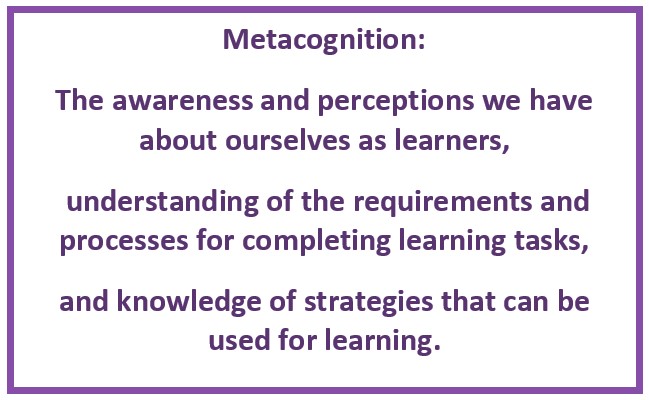
When learning experience is transformational it means that our thinking or even personality changes–transforms–into something new, requiring the previous schemes, structures and categories to change. This change in our frame of reference challenges both our habits of mind and viewpoints that are constructed from our beliefs, values, attitudes and feelings. [5] Designing transformative learning experiences therefore requires creating a safe space for learners to explore their beliefs and take risks of trying something different, something new. Excellent ways to facilitate the transformational learning process is to explicitly teach about metacognitive strategies, embed Social-Emotional Learning into instructional practice, engage in a dialogue with students and use a coaching approach in the classroom.
To sum it up: We need to be very mindful when designing learning experiences for our students, keeping in mind that the same instructional content will most likely evoke 2-4 different learning processes among the learner population, depending on their previous knowledge and exposure to the content. We should never assume our learners know how to choose successful learning strategies; and we must always be ready to offer metacognitive support.
References:
[1] Illeris, K. (2018). Contemporary theories of learning: Learning theorists … in their own words. Routledge, Taylor & Francis Group.
[2] Illeris, K. (2009). Contemporary theories of learning: learning theorists—in their own words. London: Routledge / edited by Knud Illeris
[3] Huberman, M., Bitter, C., Anthony, J., & O’Day, J. (2014). The shape of deeper learning: strategies, structures, and cultures in deeper learning network high schools. Findings from the study of deeper learning opportunities and outcomes: Report 1. American Institutes for Research. Retrieved from: http://www.air.org/resource/spotlight-deeper-learning
[4] Smith, N.C. (2017). Students’ perceptions of learner agency: A phenomenographic inquiry into the lived learning experiences of high school students. (Doctoral Dissertation). Northeastern Repository
[5] Mezirow, J. (1997). Transformative learning: Theory to practice. New directions for adult and continuing education, 1997(74), 5-12.
Learner-centered and emotionally safe pedagogy is an attitude or disposition. It is not a handbook of tips and tricks. It is being physically and emotionally present when a student needs us. It is also about focusing on the learning process instead of the product (worksheet, assessment, test score, etc.). It means engaging in a dialogue, offering help and support, and answering the question every student asks: What’s in it for me?
Personalization is one of the modern approaches in learning and teaching. However, it is important to remember that designing great learning experiences doesn’t require any special apps, programs or gadgets! We want it to based on Learner-centered pedagogy because it has a long history and it has proven to be very effective. At the simplest form learner-centered means that we are are focusing everything around students needs. (Image below: my starburst mirror in the making)
When I was making my starburst mirror few years back, I was thinking that this is how student-centered learning really works: keeping students in the center and carefully building the individualized support around them. This means purposefully designing the instructional process (teaching methods, lesson planning and classroom management) to meet students’ needs, focusing on supporting students’ individual learning process (learning and development and SEL) and using assessment data to support students’ individual learning processes. Please see TPK for more info about pedagogical knwoledge.
Some students need more support than others. We are not clones and should not be treated like ones, so it is important to abandon the outdated factory model, where learning is seen to be a product (of instruction and testing). To me, one the cringiest examples of the product thinking is seeing 28 pieces of identical “artwork” on classroom walls. Yes, students had learned to follow directions and create a copy of something, but the scary truth is that we will never creat the same competency when following somone else’s thinking. For deep learning to happen we must engage in our own thinking – this is what I learned while working for Head Start. Children were amazingly creative and learned so much every day while playing.
A major problem is that we still talk about learning and teaching like they were just one process. But learning and teaching are two different things! They are two different processes that are often put into the same frame of reference (education) and sometimes even happen in the same physical space (classroom) – but it would be foolish for us to imagine that students only learn at school! The “real” learning often happens after studying has been done, and the newly gained knowledge is used in real-life situations and combined with all the existing knowledge and experiences student have. This is what “deep learning” means: reconstructed personal understanding of the topic.
When we perceive learning as an in-built force within our students, the teaching job became instantly easier! Being a facilitator for learning and guiding students to build their own knowledge is a huge step towards supporting learner agency. And it is truly learner-centered!
We want to strive towards the next step in education: schools evolving to places where knowledge is socially constructed and contextually reinvented. We can do this is ANY given classroom by offering choices for students and making their learning more meaningful. But this also presents the need for mutual intentionality and accountability – students coming to school with the intention to learn, teachers with the intention to support students’ individual learning. Not just meeting the standard of the learning objective of the day. Please understand that I am NOT against standards! But meeting them cannot be the ONLY goal of education.
The one thing that sustains my professional practice after a decade in Higher Ed is that I get to talk and email with my students, one at the time, and ask the most important question:
How can I help and support your learning process today?
Learning and being taught are two very different experiences. Engagment in one’s own learning process (aquiring information and elaborating on it) is crucially important for deeper learning to happen. Learning is usually more enjoyable than the experience of being taught. (There is a LOT of infomation why professional learning is so much better than professional development, but let’s not get too deep into that! Suffices to say that teacher agency is crucially important for learner agency. Here is a good link: REL Pacific)
University and college students are (mostly) adults, and we need to be very mindful about how we teach. Just because learning happens in interactions. This is one of the deep truths in education: The content of our message matters, but also the delivery!
The phones in the picture are all mine. I used the pink Nokia flip phone in Finland and Mexico before I moved to the U.S., and then was surprised that I still needed a landline here. My house still doesn’t get much of mobile reception. When communication gets harder (because of tech or any other reasons) we should pause for a moment and consider what our students are receiving. Just because what we say (or think what we are saying) can be very different from what our students are hearing. This is why learning really needs dialogues, the back-and-forth exchanges where we are building mutual understanding. Which obviously takes time. But that time is so extremely well spent!
Adult learners bring such a huge burden of their previous learning experiences to every assessment they are facing. One part of the problem is that often there aren’t real rubrics that would map the scope of the assessment, the other part is that we all interpret the assessment and the rubric using our past educational experiences. This is why coaching (or mentoring) is an important part of adult learning. By engaging in dialogue and highlighting SEL (social-emotional learning) competencies we can support adult learners to enjoy their learning experience and gain the most of it.
Everyone who works in higher education should read the APA guide to College Teaching. It has excellent insight into how students learn and how we can support that learning. The other resource I use every day is the CASEL framework. It helps me to discuss the self awareness and self-management we need as eductors, as well as social awareness, relationship skills and my all-time-favorite: responsible decision making! My other blog is named “Choosing How to Teach” for this very reason – we DO have choices and we can choose to support our students’ learning and SEL. Learning IS a process, not just a product.
How about you? What are your best resources for supporting adult learning and SEL?
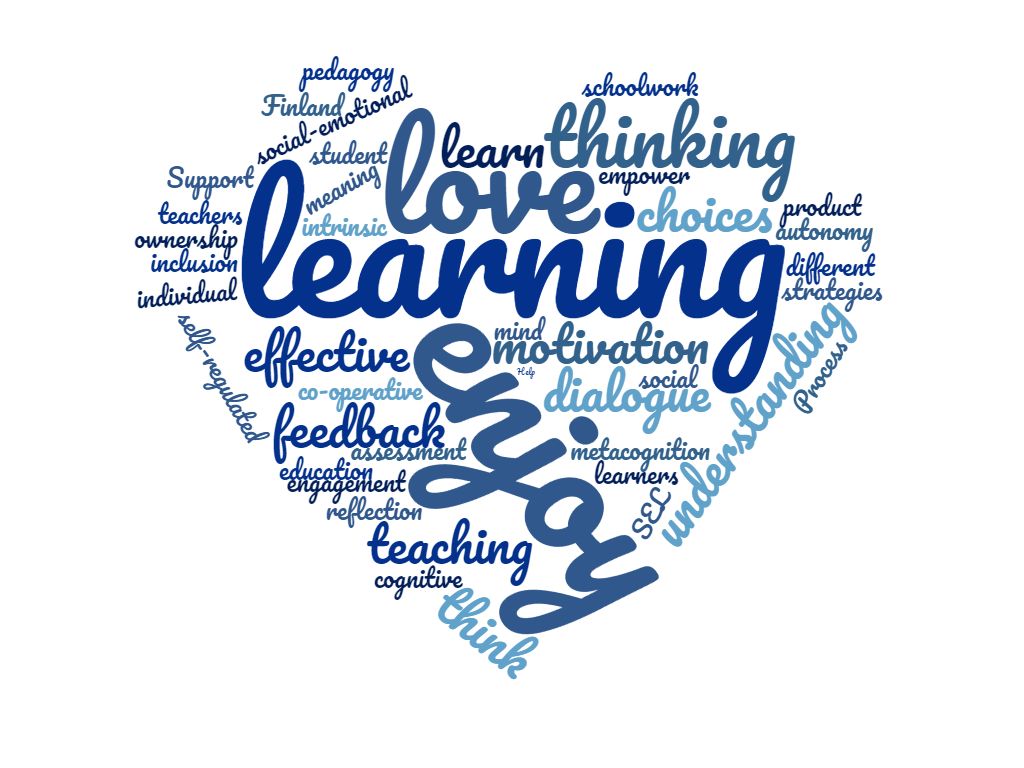
In the beginning of our lives, we all love to learn! Anyone, who has been with preschoolers, knows how excited they are about learning new things. Observing high school students or people in Professional Development – well, not so much visible enjoyment there. Why? What went wrong?
Learning is a survival skill we all are born with. But at school we often turn the intrinsic learning (and learning interest) around to something else, something measurable – schooling, or being taught. At worst, schooling kills the intrinsic interest to learning because we figure out that we are doing things wrong while learning on our own. In most cases it just decreases our learning enjoyment and makes us go through the motions and activities for an external reward – for a grade or diploma. However, there are different, better ways to support learning and engagement than grades and diplomas.
First – we must find again our own learning enjoyment as educators. A teacher who is not interested in learning should seek different employment. I know this is very strong statement, but it is not easy to fake something as fundamental as one’s desire to learn. Emphasizing anything else but learning is a mistake when we want to improve education – yet many school improvement plans focus on student “achievement” or “performance”, which are very different because they are snapshots of what a student knows or can do at a single point of time. A test score cannot even pinpoint where in the learning process the “magic” happened. My dear visitor, I am assuming that you are reading this because you are ready to engage in your own learning process and want to learn something new.
Second – let’s agree that learning happens everywhere, not only at school. Anything can be learning experience when we have the mindset and dispositions that support life-long learning, which should be the main outcome of an educational system (and it is often mentioned in missions and value statements). However, students’ everyday experiences are not about engaging their own learning process – mostly they are just trying to assimilate tons of information, which is very hard without a meaningful learning context, and easily leads to surface or strategic learning approach. We must help students to learn on their own! This is one example how to do it: Pre-school/kindergarten in Finland is dedicated to learning how to learn (instead of learning reading and math). The Finnish curriculum highlights interactions, meaningfulness and joy of learning:
Answers were sought to the question on how to best promote learning.
The active involvement of pupils, meaningfulness, joy of learning and school cultures
that promote enriching interaction between pupils and teachers are at the core of the new curriculum.
As educators we must support students’ holistic learning. Reminding students and parents that learning can happen anywhere and finding ways to integrate students individual learning experiences as parts of their formal learning portfolio is a great start towards increasing learning enjoyment. (The same principle obviously applies to educators’ Professional Learning – which is often better than Professional Development!)
Third – we must strive to make learning more meaningful for students. This is a hard one, because we all are so different. One size just cannot fit all! Therefore, offering choice for obtaining information and demonstrating competency/mastery is crucially important. We do this while differentiating instruction, but often forget (or don’t have time) to include students’ insight of their learning preferences into improving their learning experiences. Yet, in order for learning to be meaningful, students must have a part in the learning design process. This is not a new idea, there is more than 100 years of research about benefits of learner-centered approach and treating learners as co-creators and partners in the teaching and learning process [1](lots of familiar names there: Dewey, Montessori, Piaget, Vygotsky, Rogers among others). APA – American Psychological Association has emphasized the importance of meaningful learning since 1990 by highlighting the learner-centered approach and 2015 updating the approach to Top 20 principles for PreK-12 education. I wish every teacher had a copy of these documents!
Bottom line: We can and must support students’ learning enjoyment as well as enjoy our own learning experiences!
We have many choices for doing this. The following blog posts are helpful :
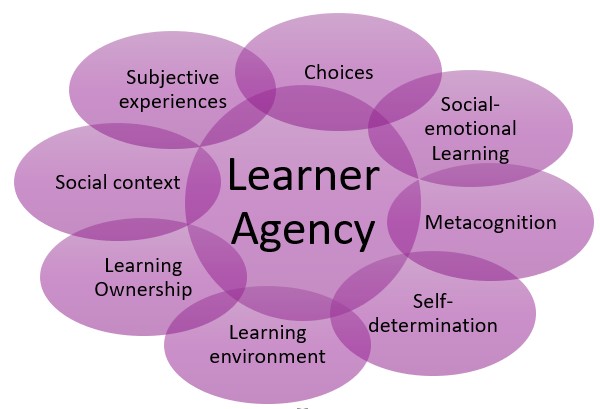
Student-centered and emotionally safe pedagogy is a choice, an instructional approach in any level of education. It is not a handbook of tips and tricks, to add diversity and equity into instruction, or help us survive our challenging days in the education profession. It is being intellectually and emotionally present when a student needs us. It is also about choosing the instructional strategies to support every students’ individual learning process and learner agency[1].
I have been on the path of critical pedagogy for a long time. During my own K-12 education, I never imagined I would become a teacher, but as an adult I was intrigued by the ways we construct our understanding. Even before I became a teacher I wondered how individual learning could be better supported – because one size does not fit all. It seemed to me that an intellectually and emotionally safe learning environment was very necessary for supporting the learning process. After that realization there was no turning back – I had to study education science. 🙂
Learning happens in a social context, in interactions, and as educators we can make this experience better for our students. Emotionally safe classrooms are flexible by nature and they have rules that are consistent and justified, and preferably created in cooperation with students. Treating students as unique human beings is essential – which makes is hard or impossible to use behaviorist learning theories, or have strong external regulation for learning process. Later I realized that this also describes the DEI – approach for diversity, equity and inclusion. We want to support students’ self-determination because it increases their intrinsic motivation and ownership of their learning process [2].
Learning to learn is a lifelong process. It starts in early childhood, which is why preschool can have such a huge effect in future learning. Good quality early childhood pedagogy focuses on supporting holistic child development and making learning a joyful experience children want to repeat. It is important to also teach children how to help themselves to learn. We do this by increasing their metacognition and guiding children to use a variety of deep learning strategies – based on the learning task they are facing [3]. Learning to write one’s own name requires different strategies than learning to ride a bike. In order to choose, we must be aware about choices we have. And as adults we are still discovering new learning strategies for ourselves – if we keep looking for them. It really IS a life-long process.
We all have our subjective experiences and preferences that inform our choices. Sometimes we need to learn to manage ourselves in a different way – fortunately there are plenty of great SEL resources to use. Please check the CASEL framework and resources! I became familiar with social-emotional learning when I was earning my M.Ed. in Finland, and it has been a crucially important part of the learner-centered and emotionally safe pedagogy I have been building in my career and discussing in this blog. Stress-free atmosphere helps to build an emotionally safe growing and learning environment. Knowing that their thoughts and ideas are valued helps students think and express their thoughts more freely. More thinking equals more learning.
The one situation when most of us feel threatened or unsafe is while we are receiving feedback. In an emotionally safe classroom feedback becomes a natural part of the learning process, and thus stops being scary – Growth Mindset can be used in this, if we remember to use the pedagogy of kindness and invest in personhood [4]. Focusing on supporting each individual student on their own learning path does take more time than applying standardized measures. But, it is also more effective. Students’ daily self-evaluation and teacher’s verbal comments can create an awesome tool for students to reflect and control their own learning, but it takes time to have those individual interactions with all students. I would like to see classroom sizes small enough to allow more dialogue, because learning still happens in interactions, regardless of the technology we may be using.
It is important to remember that being kind is different from being nice. While being kind I engage in the important (but hard) dialogue about learning, helping my students to understand their own learning process and how they can either help or hinder their own learning. If I were to be just nice, I could say “Good job!” and move on – but that would not help my students to learn more.
References:
[1] Smith, N.C. (2017). Students’ perceptions of learner agency: A phenomenographic inquiry into the lived learning experiences of high school students. (Doctoral Dissertation). Northeastern Repository
[2] Deci, E. L., & Ryan, R. M. (2000). The” what” and” why” of goal pursuits: Human needs and the self-determination of behavior. Psychological inquiry, 11(4), 227-268.
[4] Denial, C. (2020) A pedagogy of kindness. In. L. Stommel, C. Friend, & S.M. Morris (Eds.), Critical digital pedagogy: A collection. Hybrid Pedagogy Incorporated (pp. 212-218). https://hybridpedagogy.org/critical-digital-pedagogy/
Passionate about learner agency. Firm believer in the best teacher being the one who makes herself unnecessary by empowering students to become autonomous learners.








 NotesFromNina